


Are UV Nail Lamps Safe?
Here’s What the Research Actually Says
If you’ve been doing gel nails at home (or sitting under a lamp at the salon) and recently saw something pop up about UV exposure — you’re not alone in wondering.
It’s a question that’s been getting more airtime lately. And it’s a fair one to ask.
So instead of adding to the noise, we wanted to give you a calm, honest look at where the research actually sits, what you can do if you do use a UV lamp, and why we decided to launch our UV-Free range earlier this year.
No scaremongering. Just real talk.
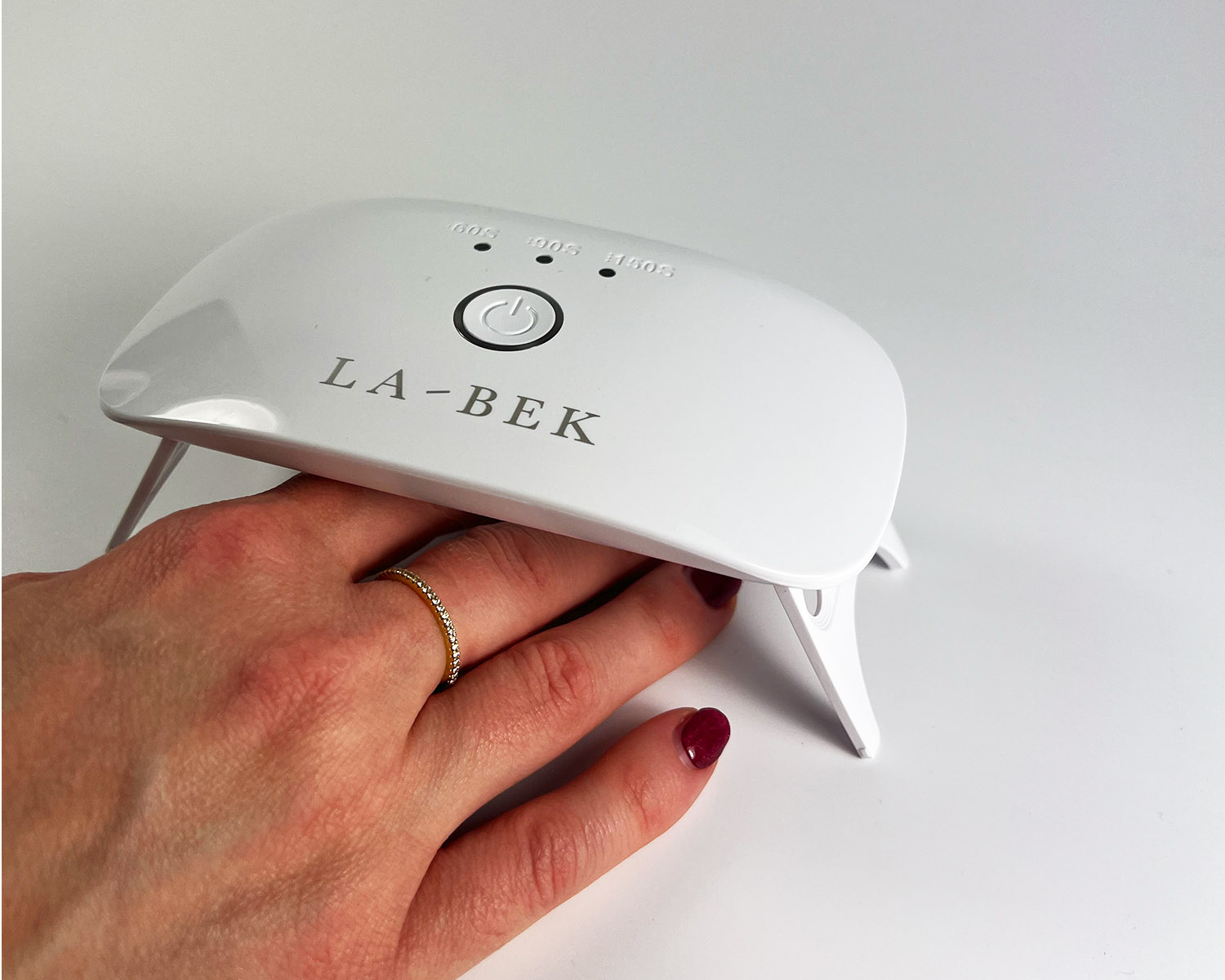
Photo: UV Lamp
Are UV nail lamps the same as a tanning bed?
Short answer: no.
The lamps used for gel manicures are LED-UV lamps. They’re a much smaller dose of UV than a tanning bed, and the exposure time is short — usually 60 -90 seconds per coat.
But “less” doesn’t mean “none.” UV is still UV, and if you’re applying gel regularly, that exposure can add up over time.
What does the research say?
Most of the recent attention came from a 2023 study out of UC San Diego that looked at the effect of nail-curing UV light on cells in a lab setting. The headlines made it sound dramatic. The study itself was more measured.
Here’s the honest summary:
– The study was done on cells in a dish — not on actual people.
– It showed that UV from nail lamps can damage some cells with repeated, prolonged exposure.
– It didn’t establish that everyday gel manicures cause cancer.
– More research is needed before there’s a definitive answer.
What the dermatology community generally agrees on right now is this: the risk from occasional gel manicures appears to be low, but it isn’t zero. So a few simple precautions are worth taking.
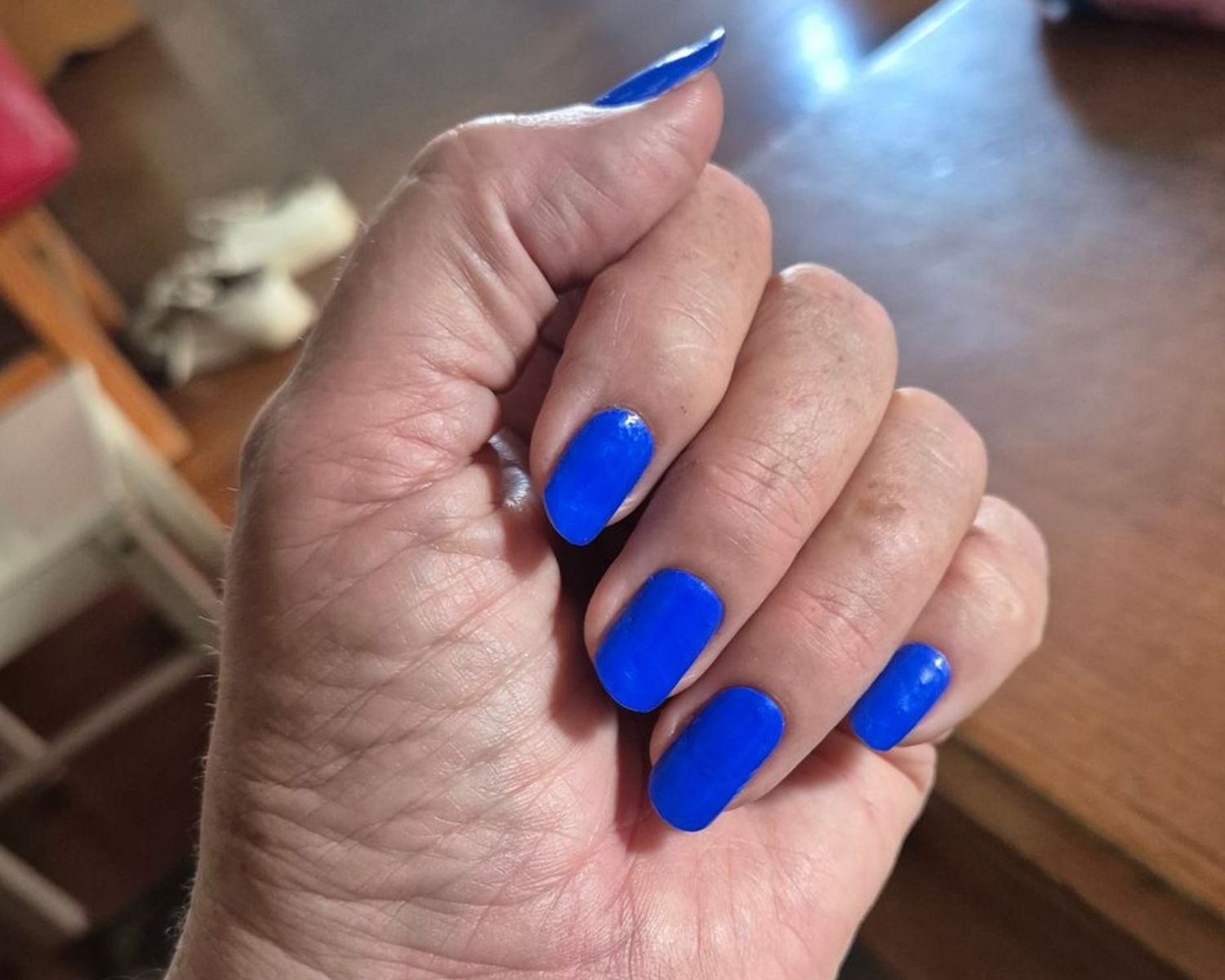
Customer Photo: Cobalt Blue Semi-Cured Gel Nail Wraps
How can I reduce my UV exposure if I use a lamp?
If you love your semi-cured gel wraps (and we get it — they’re hard to beat for strength and longevity), here’s how to use the lamp more mindfully:
– Pop on some SPF 30+ on the back of your hands about 20 minutes before you cure. A pea-sized amount on each hand is plenty.
– Use UV-protective fingerless gloves — they’re cheap, they work, and they let your nails through to cure properly.
– Keep your sessions efficient. Cure once per coat, exactly as long as the lamp instructions say. No “extra time just to be sure.”
– Take breaks between manis. Giving your nails (and your hands) a few days off between sets is good for everyone.
This isn’t about being paranoid. It’s the same energy as wearing sunscreen on your face every day. A small, easy step for long-term peace of mind.

Is there a way to do gel nails without a UV lamp?
Yes. That’s exactly why we launched our UV-Free Gel Nail Wraps earlier this year.
They’re real gel — fully cured during manufacture — so when you apply them at home, there’s no lamp, no curing step, no UV exposure at all. Just peel, press, file and you’re done.
We didn’t make them because the lamp is “bad.”
We made them because some people:
– Don’t want the UV exposure, full stop
– Travel a lot and don’t want to pack a lamp
– Have sensitive skin or a medical reason to avoid UV
– Just want a faster, simpler at-home mani
Both options live on our site for a reason. They’re for different people, different days, and sometimes the same person on different days.

Photo: Pixie Dust UV-Free Gel Nails
So… should I be worried?
If you’ve been getting regular gel manicures for years, you don’t need to panic. The current evidence doesn’t suggest occasional gel manis are a high-risk activity. But it’s a good prompt to think about how you protect your hands the same way you’d protect your face — sunscreen, breaks, and not over-doing it.
If you have a personal or family history of skin cancer, very fair skin, or any specific concerns about UV exposure, please have a quick chat with your GP or dermatologist. They can give you advice that’s tailored to you.
And if you’d just rather skip the lamp altogether? Now you can.
Quick recap
UV nail lamps emit UV, but a much smaller dose than a tanning bed.
The 2023 lab study raised valid questions, but didn’t prove that gel manicures cause cancer.
-Sunscreen on hands and UV-protective gloves are simple, smart precautions if you do use a lamp.
– Our UV-Free Gel Nail Wraps skip the lamp entirely — same gel, no UV.
Two ways to mani. Same LA-BEK quality. You get to choose what works for your real life.
Want to see what a UV-free mani looks like up close?
Browse the UV-Free Gel Nail Wraps range or grab a UV-Free Starter Kit
UV Nail Lamp FAQs
Are UV nail lamps the same as a tanning bed?
No. The lamps used for gel manicures emit a much smaller dose of UV than a tanning bed, and the exposure time is far shorter — usually 30 to 60 seconds per coat.
That said, UV is still UV. It’s worth taking a few simple precautions if you use a lamp regularly.
⸻
How long is one curing session in a UV nail lamp?
Most home gel sessions cure for 30 to 60 seconds per coat, depending on your lamp and the product.
For a full set with two coats, total UV exposure usually adds up to:
• 1–2 minutes per nail
• Around 10–20 minutes total per manicure
Compared to a tanning bed (often 8–20 minutes of full-body exposure), the dose is small — but it does add up over many manicures.
⸻
Can I get sunburn from a UV nail lamp?
Sunburn is very rare from a single gel manicure session. The risk most experts focus on is cumulative UV exposure to your hands over time — which can contribute to photoageing or skin damage in the long term.
That’s why simple precautions like SPF on your hands and UV-protective gloves are easy wins.
⸻
Is there a way to do gel nails without a UV lamp?
Yes. Our UV-Free Gel Nail Wraps are real gel — fully cured during manufacture — so when you apply them at home there’s no lamp, no curing step, and no UV exposure at all.
They’re a great option if you:
• Want to skip UV entirely
• Travel a lot and don’t want to pack a lamp
• Have sensitive skin or a medical reason to avoid UV
• Just want a faster, simpler at-home mani
⸻
What’s the safest way to use a UV lamp at home?
A few small habits make a meaningful difference:
• Apply SPF 30+ to the back of your hands about 20 minutes before you cure
• Use UV-protective fingerless gloves (cheap, effective, your nails still cure)
• Cure for the recommended time only — don’t add extra “just to be sure”
• Take a few days off between fresh sets
Same energy as putting sunscreen on your face every day. A small, easy step for long-term peace of mind.
⸻
Should pregnant women use UV nail lamps?
There’s no clear evidence that occasional gel manicures are unsafe during pregnancy, but recommendations vary by health professional.
If you’d like to skip UV exposure altogether during pregnancy, ourUV-Free Gel Nail Wraps give you the same gel finish without a lamp.
If you have specific concerns, have a quick chat with your GP or midwife.
⸻
Are LED nail lamps safer than UV nail lamps?
Modern nail-curing lamps are technically LED-UV lamps — they emit UV light through LED bulbs. So while “LED” sounds different, it’s still a UV-based curing system.
The key difference is efficiency: LED lamps cure faster, which means less total UV exposure per manicure.
⸻
Do UV-free gel nail wraps last as long as semi-cured ones?
Semi-cured wraps tend to last a little longer (up to 2+ weeks with good prep) because they harden under the lamp into a stronger finish.
UV-free wraps are designed for fast, flexible application — they typically last around 7 to 10 days, depending on your lifestyle and how well you press them in.
Both are real gel. They just suit different routines.
Written by Laura & Bek
Founders of LA-BEK, an Australian brand creating semi-cured gel nail wraps and UV-free gel nail wraps designed to make salon-quality nails simple, at home. This article is general information, not medical advice. If you have specific concerns about UV exposure or your skin, please speak to your GP or dermatologist.